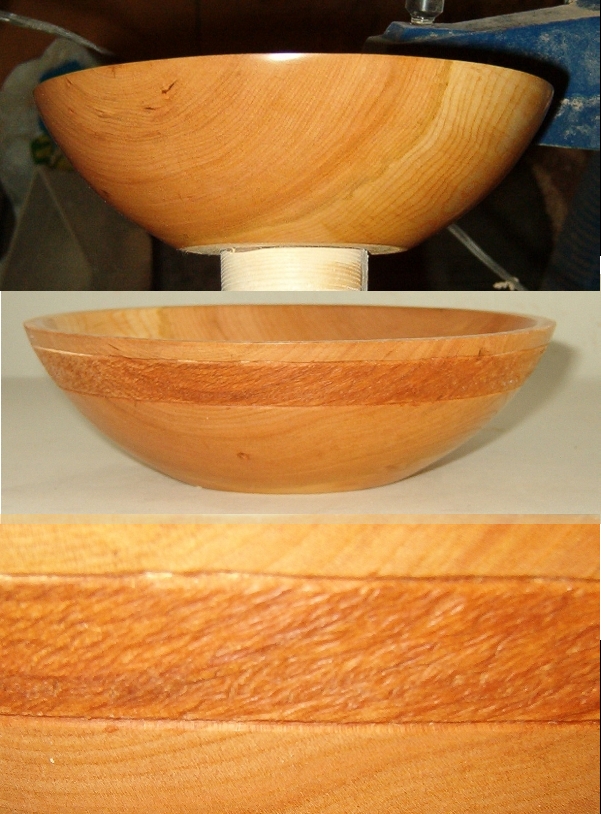
Every now and then I get the urge to obtain more shelf space by finish turning a stack of bowls. As I was doing so one morning, I found that one of the bowls was rather bland, if black cherry can ever be considered to be bland. What it needed, I decided, was a textured band around it, just below the rim. Not having a texturing tool, I was left with three options
-
Labouriously detail the band using a cutter in a Dremel, which I have done in the past
and really it is not bad, just time consuming.
-
buy a texturing tool
-
make a texturing tool
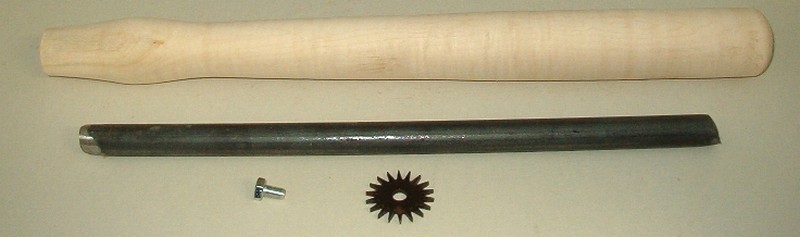
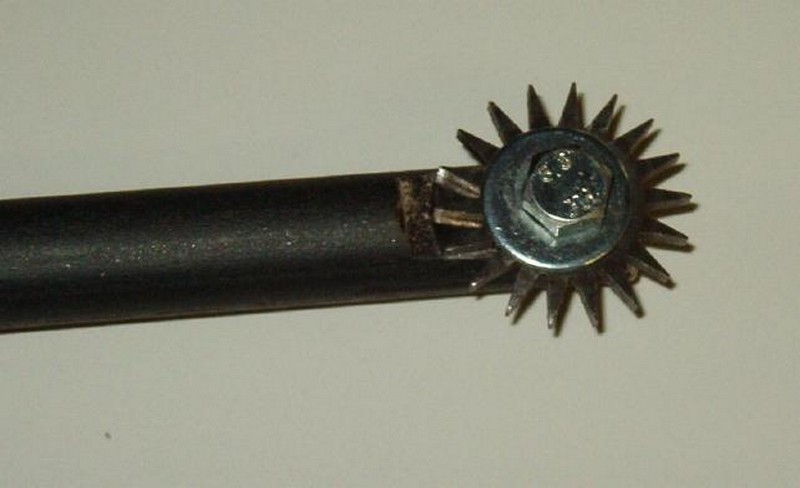
The latter option was obviously the most fun, least expensive and fastest, since the closest place to buy the tool is an hour's drive away; I had a wheel for the texturing tool since I had some replacement cutters for my star wheel dresser for the grinder; and all I had to do was fix a shaft for it and put it in a handle.
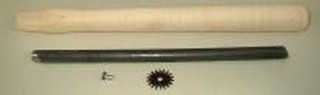
I first took a piece of scrap maple and turned a 10" handle about 1 1/2" in diameter. It tapers to about an inch at the end having left a long bead just before. I generally neither sand nor finish a handle and ignore any small tear out or chatter. They just make the handle have a better grip. Ferrules are not necessary unless you plan to sell the tool or submit it to unusual abuse.
I then drilled a 5/8" hole, 2" deep into the end of the handle. I used a jig at the drill press but a hand drill will work okay if you are careful.
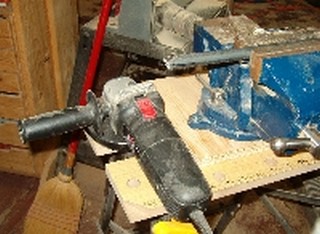
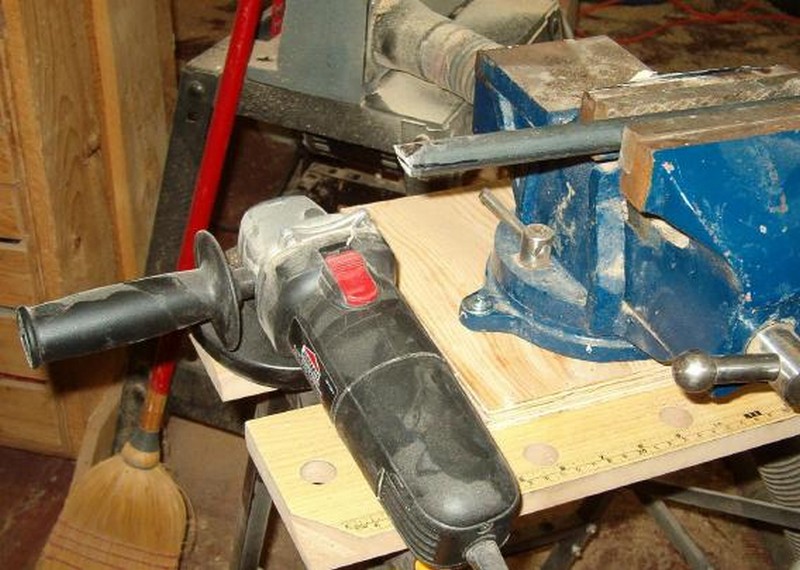
Moving to the mechanic's vise I put in it a piece of cold rolled steel rod about 9" long and
5/8" diameter.
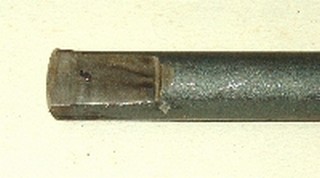
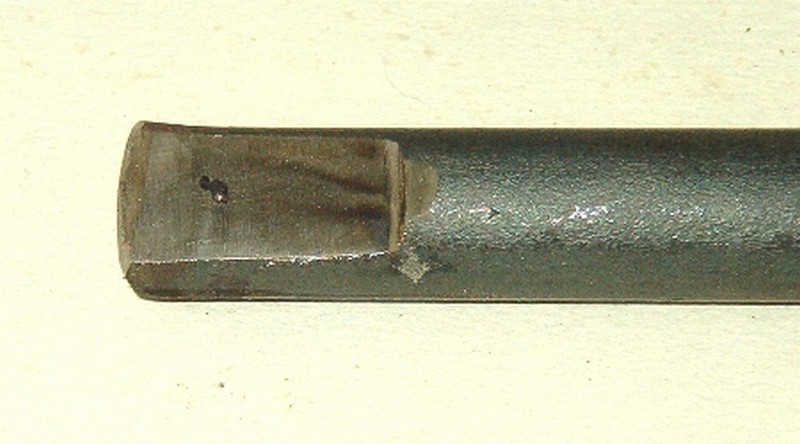
Using a 4 1/2" angle grinder I cut a flat about 1/2" wide and a bit above the diameter of the rod and made it about. If you do not have an angle grinder you could grind it at your sharpening grinder.
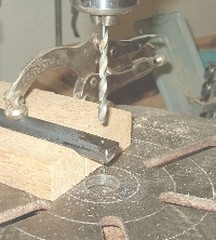
Returning to the drill press I drilled a 7/32" hole in preparation for a 6mm setscrew. A 1/4"
bolt would also be fine but I started using 6mm set screws a while ago and stayed with them. I tapped the hole for a 6mm bolt.
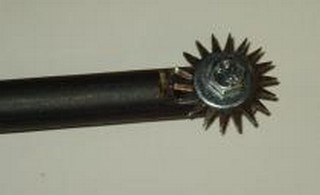
Now the shaft was inserted into the handle and the wheel attached with a washer and bolt. Leaving enough slack for turning, a set screw is inserted to jam against the bolt much in the same manner as two nuts are used on a bolt to jam one another. This is necessary as the movement of the cutter will try to back out the bolt or to drive it tighter.
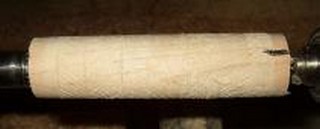
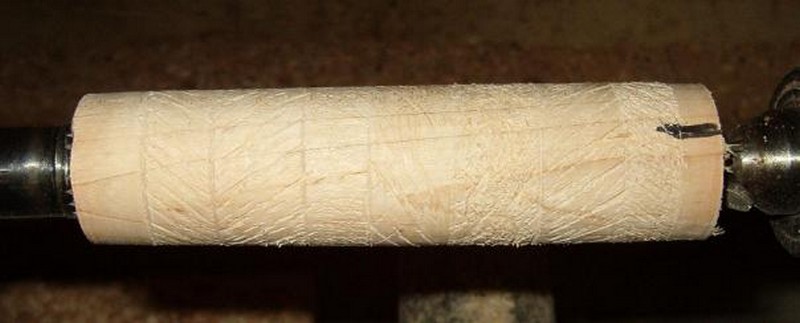
I first tried the tool by roughing down a spindle and doing some textured bands.
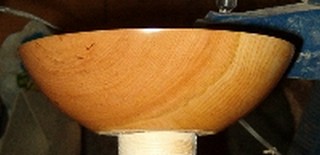
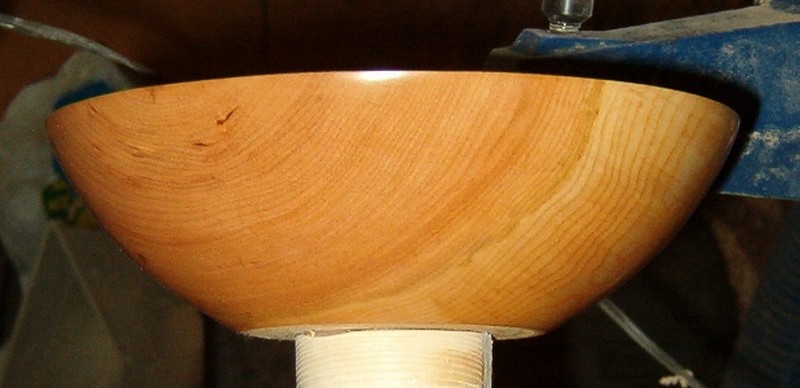
Then to the bowl. Here it is shown on the lathe but rotated 90 degrees.
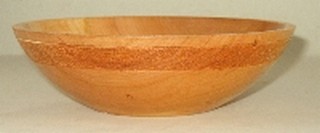
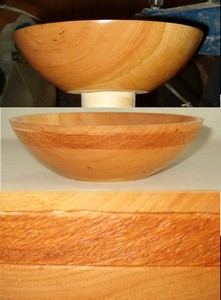
And here is the finished bowl. I think it would have taken as long to texture using a Dremel, but the next time will be faster with the tool already made.